Support for Your Company Before Support Exists
Have you ever wondered how your competitors get their customers to come to them to buy their products without having to continually advertise? Wouldn’t it be nice to create an actual brand instead of struggling to make your sales numbers every month?
Well, despite your initial thoughts on how difficult this is, it can all be done with a four-figure marketing budget if you follow my plan below.
Sounds too good to be true, you say?
I will be the first to say it’s much more difficult to establish a marketing strategy to create a brand vs. creating and using a simple transactional sales pitch, but I can assure you that your company’s profitability and long-term feasibility rely on it. If executed correctly, you will be the one who makes it past the next recession with flying colors while your unbranded competition does not.
How Brands “Really” Become Brands
The traditional method most companies use to build a brand (despite what you think, this doesn’t happen on its own) usually involves getting their products endorsed/used by celebrities or other authoritative sources to kick-start that process.

Studies have shown cola drinkers like their preferred cola better when seeing cola ads during double-blind taste tests
Since you likely can’t afford a celebrity endorsement running five figures, the next best thing you can do is to use some of your best/good-looking and/or otherwise successful/admirable customers to do it for you as brand advocates, since this can have the same psychological effect on your prospective customers that gets them to buy.
Furthermore, instead of ensuring your celebrity product placement ads are actually seen by running TV or other mass media advertising, you can use PPC ads instead to ensure that your endorsements are seen by EXACTLY whom you want them to be seen by and reduce your cost of exposing your product’s popularity to a small fraction of what your branded competition is paying to do so.
If you can get your product seen at critical mass even in one small geographic area or niche group at a time, this can be enough to establish your new brand in an area. Do this over and over again in different areas, and you have a recipe for national success, all rooted by clever product placement advertising.
First: Finding Your Brand Advocates
Take a good look at your customer list and find some people you can identify as leaders in their own respect, good-looking, heavily followed on Facebook, leaders of civic organizations or other groups many of your customers are a part of, etc. Facebook is the easiest place to check these candidates out (you must friend them first).

First Find Influential Customers
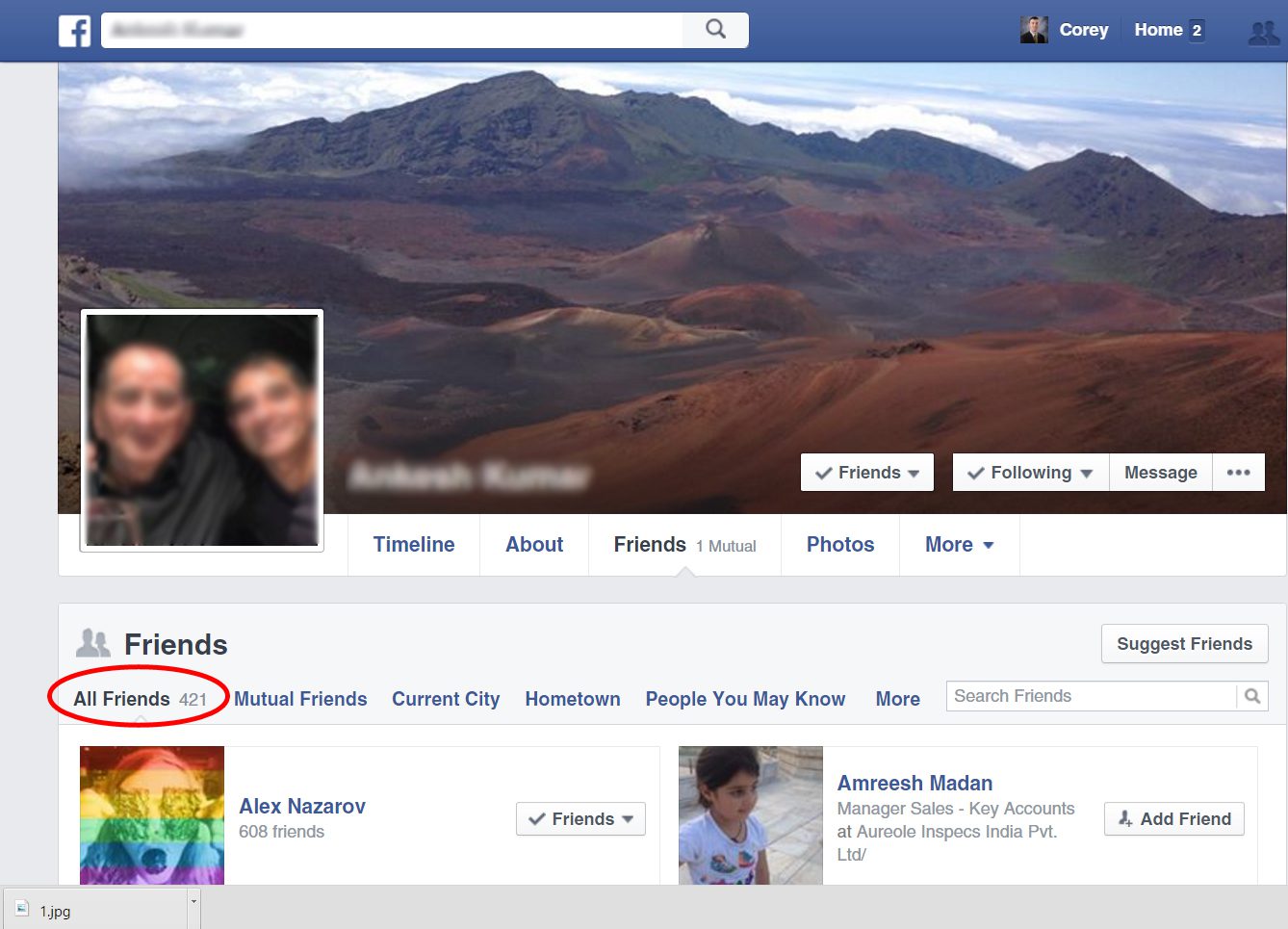
Then Friend Them to See Their Potential Clout for Your Company
An effective brand advocate review from your respected customers will include a picture of the customer using the product and a testimonial, even though you may not use the quote in some cases.

Sharing Customer Stories Yourself Gives Them 20x the Exposure Minimum
My personal favorite strategy for this activity is to find someone who is the leader of a large group and use them as the magnet for marketing to that same group in question. I would say to go this route if you can, as it’s by far the easiest thing you can do.

Recruit Influential People as Customers by Browsing Groups

Then After Getting a Review, Promote It to Other Group Members
Picking a Target Audience
With product reviews in hand, the next thing you want to do is audit your customer CRM database and find out who normally buys your product, and from where, by doing a geolocation sort.

Crawl Your CRM Database to Find Customer Locations

Then Map Them Out to See Trends in the Data
Once this is completed, upload your geo-filtered customer list of who you have found to be your preferred buyers to Facebook or Google’s advertising platform to see how your list breaks down by gender and by age, and figure out not only where your best customers are from but also what gender and age bracket they are generally a part of.

Upload Your Customer List to Facebook to See Demographics Automatically
Using Social PPC to Get Exposure
Assuming you already know how to work with and set up PPC ads on social networks like Facebook, simply load up your social network PPC ad platforms with your predetermined demographic data and customer photo ads, and let it rip.
If you are doing your job correctly, someone who sees your promotional posts will assume it is the customer themselves sharing the photo, not the company (unless they notice the sponsored disclaimer, and even if they do, it can be compensated for: see ad below), as we are advertising in the newsfeeds of these social sites right where the rest of their friends are sharing their photos, seeming normal for the particular medium.

Get Your Customer Advocates to Share Your Paid Posts Themselves & Comment
Mediums where you can post ads via newsfeed and “blend in”:
- Facebook / Instagram
(You can now target both networks from Facebook.)
How This Actually Gets People to Buy
If you are curious to know how the psychology of this type of brand strategy works, see the following study by Duke University, where male rhesus monkeys were given the opportunity to keep a picture of the alpha male monkey vs. food when given the opportunity to do so. The beta monkeys wanted the picture of the alpha male so they could mimic him, a primal instinct.
Your intended audience is already conditioned to use Facebook as a measurement of how they are doing socially vs. others in their group by default, so there is no better placement for this type of messaging to create the conception of what “leaders of their pack” want in order to stimulate demand for what you sell.

Facebook Works Through Operant Conditioning
Layering Targeting Options
Sometimes age, sex, and location targeting isn’t enough to get adequate results. If you sell designer clothes, for instance, you also likely want to go the extra mile and target people by “fashion” interest as well to narrow your advertising to people who regularly shop for your category of products.

Stack Targeting Options to Laser Target People Who Will Actually Buy
Stacking targeting options in this way can often restrict an audience too much for targeting, so you should always split test your ads and weigh the benefits of ratcheting down your targeted audience.

Split Test to See How Much You Want to Really Restrict Your Audience
By default, the more targeting you do, the better in general your results will be.
Overall Expected Results From Using This Branding Strategy
Many more direct visits to site – Everyone in your target audience who has seen your ads will be much more likely to buy if they think it’s really going to give them some sort of status among their respected peers if they use it. After a certain threshold ad frequency in which the given prospect has been exposed enough to your ad(s), a visit to your site will unquestionably take place.
Higher number of conversions from your targeted audience – People who have seen your ads will obviously convert at a higher rate than your usual traffic, but that is not all. These same people who also do a normal product search via Google or Amazon later on will now click on any usual PPC ads you have running at a higher rate than they normally would, further increasing the profitability of other campaigns passively.
Typically speaking, you can expect someone who has seen your brand advocates to be as much as 20x more likely to buy it in the future with the right targeting options and the belief the product really is desired by their alpha community members. This will vary by market, but do not underestimate the power of marketing this way, especially when combined with customer referral incentive programs and marketing to friends of Fans on your company’s Facebook Fan Page.
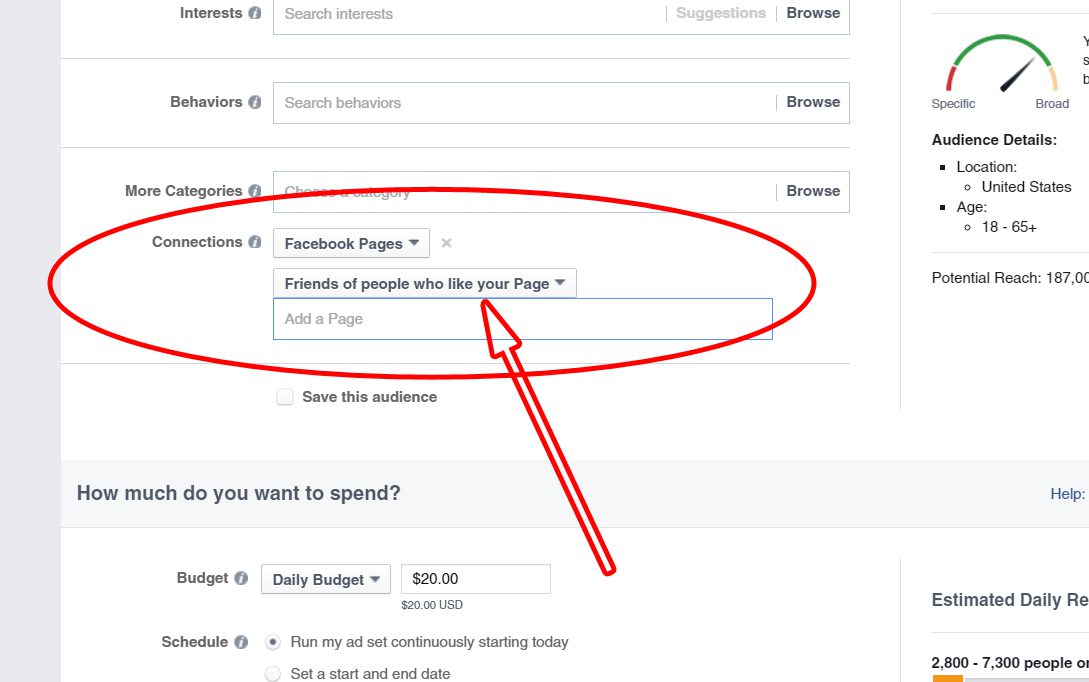
Once You’re Done, Share All Material With Customer/Advocates/Friends!
Summary
The key takeaway from all this information is that brands sell products because people like being socially accepted and part of the brand. If you want your products to sell themselves, they must seem generally or universally respected by people of high socioeconomic or inner-group status than your real customer base.
If initially done correctly, people who were coerced into buying your products to gain status will also share the use of the product on Facebook as well, creating the real spinoff advertising you want out of this campaign.